
How to Stay Safe While Driving at Night
July 2026
- Ensure that your vehicle is well maintained, including the condition of your windscreen, windscreen wipers and headlights
- Be extra vigilant while driving at night, including monitoring the actions of traffic around you, and leaving enough space around your vehicle to react.
- Have your eyes tested timeously to check for any ailments, including potential night blindness.
- Seek out modern lighting technology in your vehicle
There are many contributing factors to the fact that driving at night is more hazardous and, globally, leads to more accidents and injuries than navigating the same roads during the day. While these include poor general lighting conditions and the behaviour of fellow road users, such as pedestrians, there are ways to make it altogether safer to be behind the wheel after dark.
Vigilance
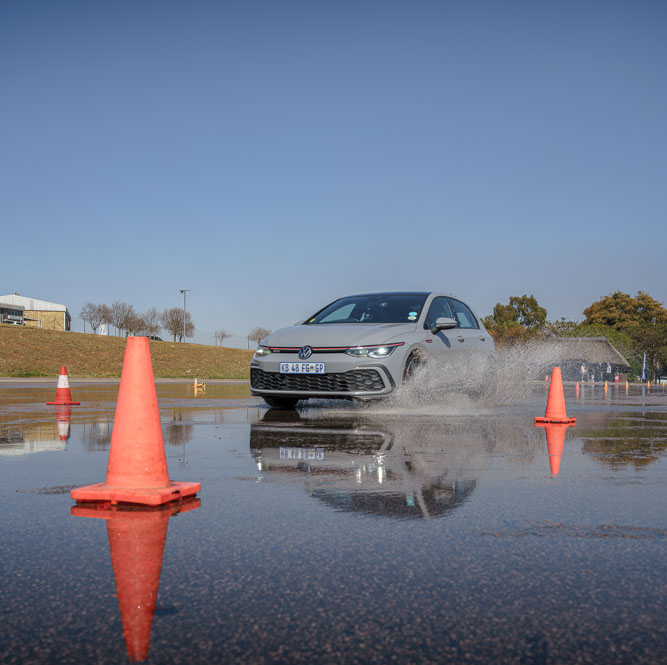
A safe driver is always alert, vigilant and aware of their surroundings. This skillset needs to be amplified at night, where it’s best to maintain a “running commentary” of what’s going on around your vehicle, including monitoring brake lights ahead to warn you of an imminent adjustment in speed, making mental notes of drivers following that are acting erratically or impatiently, who may perform a dangerous manoeuvre as a result, and anticipating where there may be pedestrians.
In poorly lit conditions, including at night, it’s best practice to place your vehicle where there are as many options as possible to take avoiding action. This includes following distances to the vehicles ahead of you, including while stopped at a traffic intersection, and choosing the left-hand lane on a multi-lane road to have the best view of conditions ahead.
It stands to reason that in these conditions, you need to refrain from being distracted, including by passengers and mobile phones.
Ensure your vehicle is well-maintained
From the condition of your tyres and brakes, to the effectiveness of your windscreen wipers and the workings and alignments of your car’s external lights, a well-maintained, regularly serviced vehicle is best equipped to get you to your destination.
This extends to ensuring that there are no cracks or chips in your windscreen that can cause light from streetlights or oncoming traffic to deflect and affect visibility, the correct alignment of your car’s headlights so that they, in turn, don’t cause distraction, and the cleanliness of your vehicle’s rearward-facing mirrors to give you the best understanding of prevailing driving conditions.
A simple act like regularly topping up your car’s windscreen wiper washer reservoir so you always have access to this cleaning system can make a big difference in poorly lit driving conditions.
Have your eyes tested
While an eye test forms part of South Africa’s driving licence renewal process, it’s generally good practice to have your eyes professionally tested to ensure you have optimal vision, including when behind the wheel of your car. This is especially important when driving at night, when many factors, including poorly maintained street lighting, misaligned or non-functioning headlamps on other cars, and pedestrians wearing dark clothing, can make it altogether more difficult than in daytime to establish a clear path forward.
So-called night blindness or nyctalopia is a condition that affects many drivers, which, if left undiagnosed or untreated, can prove dangerous to both you and fellow road users.
Advanced headlight technology
Advancements in headlamp technology, including those incorporated in Volkswagen’s IQ.Light systems rely on modern Matrix LED lighting and sophisticated automation to deliver vastly improved user experiences, including in poorly lit driving conditions. This includes maximum illumination of the road ahead, including sidewalks, auto-dimming so as not to distract oncoming traffic, and adaptive beams able to light the way even while cornering.
Volkswagen’s IQ.Light technology extends to illuminated LED light strips and even badges, front and rear, ensuring your vehicle is visible to fellow road users in all driving conditions, including at night.
Question-and-Answer FAQs
1. How can I stay safe while driving at night?
2. Why is it important that my car’s headlights are aligned?
3. Is night blindness real?
4. What are the benefits of Volkswagen’s IQ.Light technology?